THE EMBODIED MIND
心は本来、身体化されている。 思考はたいてい無意識のものである。
2kw gallery
〒520-0053 滋賀県大津市音羽台3-29-1
tel:090-5241-8096
Gallery Site >
JR東海道本線大津駅南口改札より徒歩5分
京阪京津線上栄町駅より東南へ徒歩8分




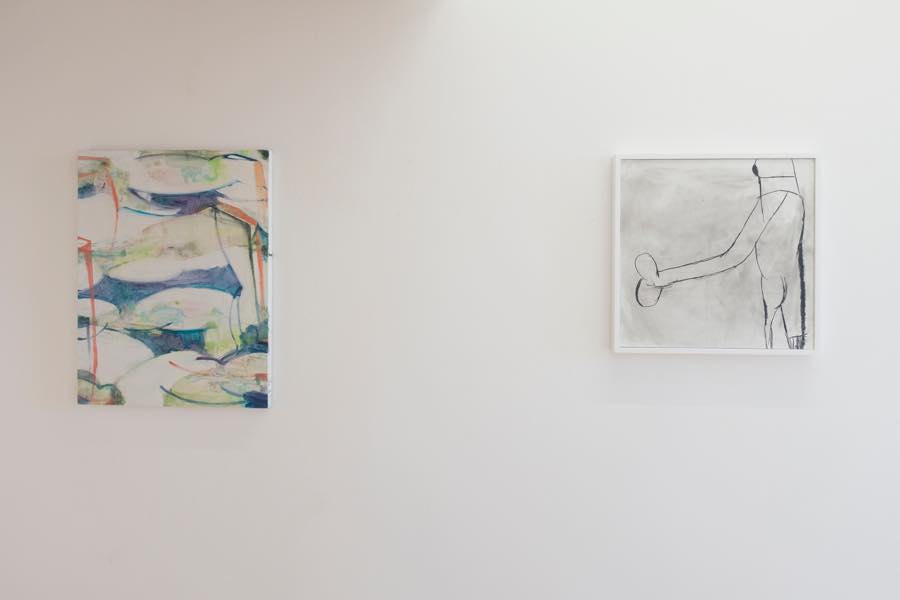
The Embodied Mind
「心は本来、身体化されている。思考はたいてい無意識のものである。」
ジョージ・レイコフ マークジョンソン著 「肉中の哲学」より
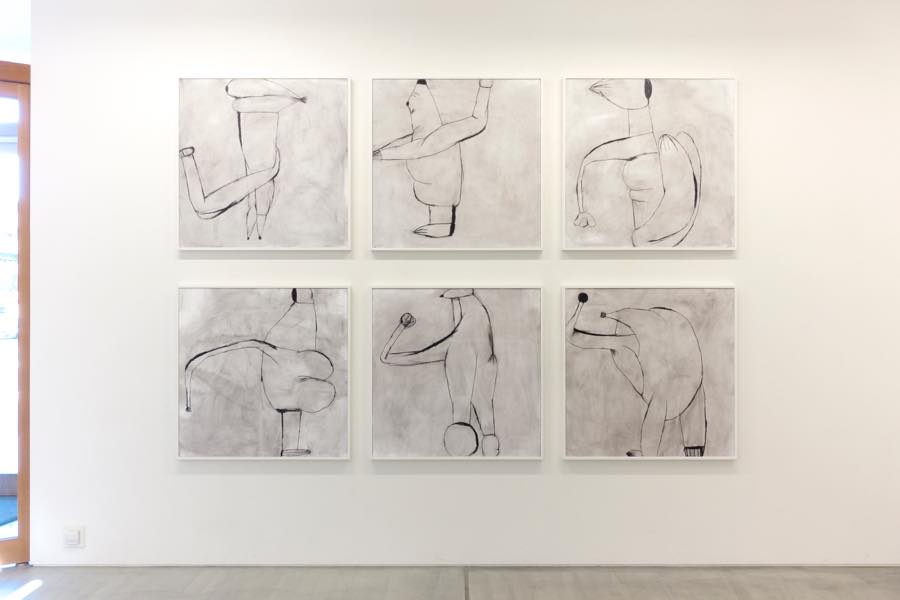
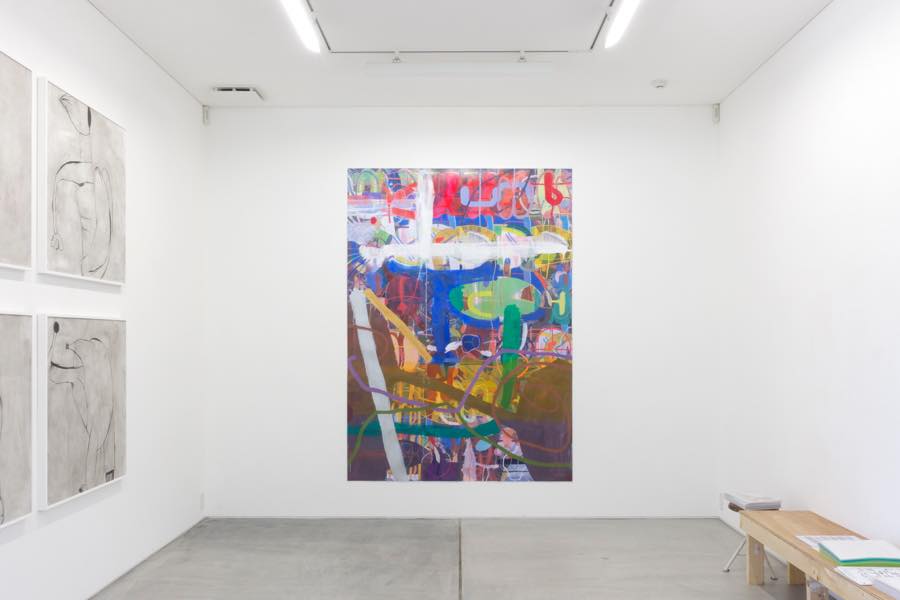
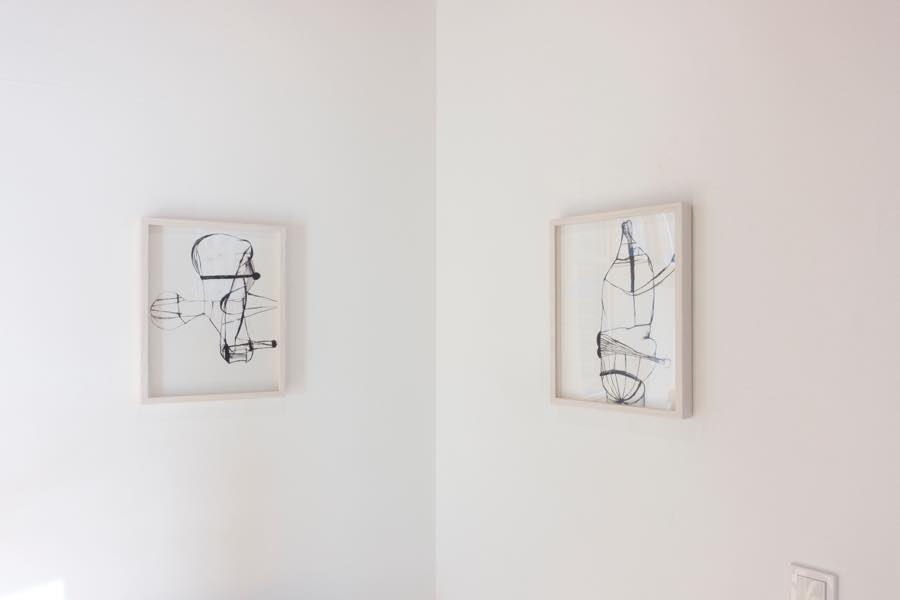
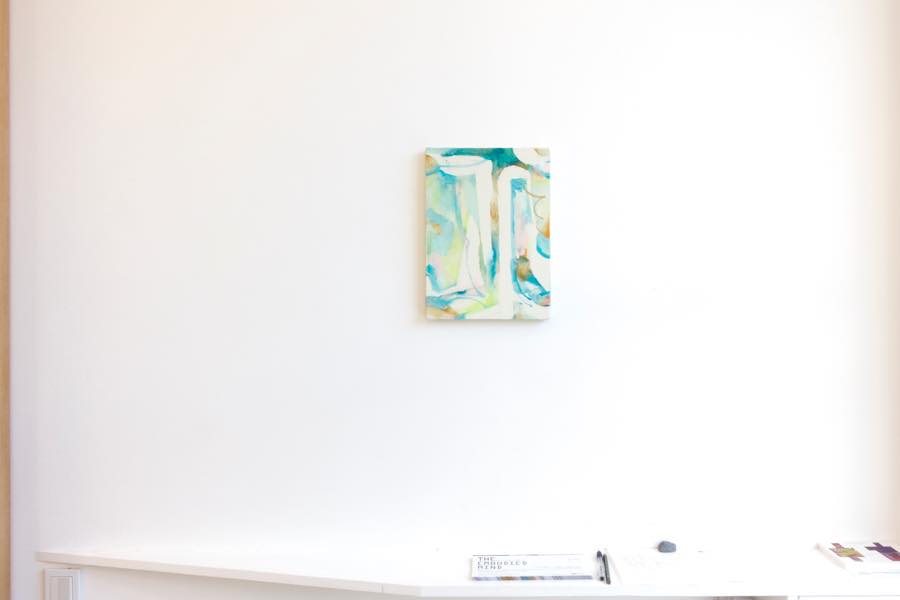
20年以上に渡り絵画を制作している三人の作家に出品を依頼し、展示予定の作品画像が送られてきた。そこに描かれている彼らの世界は緩やかに分解され、散乱する部位が画面を構成している。肉体、風景、時間が断片化され、我々の基本的垂直性を剥奪している。三人の図像は「語ること」をせず、「示すこと」に徹している。そして、「示すこと」の独自の力、固有の論理を持って制作している。肉体部位の突出が視覚の判断を揺るがし(山岡)、地平の喪失が空間の解釈を留保させ(長尾)、解体された時間性が相互に入り混じり、地と図の侵食作用を露わにする(黒瀬)。もちろん、これら方法は現代の絵画によく見られる手法かもしれない。しかし、意味がずらされ、解釈が不能になっても、その絵画の前に立ち続ける者には何かを呈示する。それは我々の肉中深くに潜んでいる意識、語るのではなく、示すことによって立ち現われる空間であり、絵画が無言の論理を駆使して作った世界と言える。その論理としての感覚作用は言語、概念といった他の手段と肩を並べる人間固有の器官であり、「肉体」「風景」「時間」等を自由自在に操り、衝突、転倒、逆転、結合などを描くことによって、宇宙が数式によって表象され、制作されてゆくときに、言わば「無重力的絵画」を制作し続ける彼らの営為も支持されねばならない。「示されうるものは、語られえない」(ウィトゲンシュタイン)。「示すこと」と「語ること」を明確に峻別する事が彼らにとって核心的なことであるに違いない。
「古い壁の上のしみのなかで形をとるのが見えるものを生徒たちに自分の絵に写し取らせるレオナルドの教え」についてのブルトンの説明を引用するエルンスト(「視覚的無意識 ロザリンド・クラウス」谷川渥、小西信之訳)
2kw gallery
[English Statement]
The Embodied Mind
"The mind is inherently embodied.Thought is mostly unconscious."
— George Lakoff and Mark Johnson, Philosophy in the Flesh
We invited three artists who have been producing paintings for over twenty years to exhibit, and recently received the images of the works scheduled for display. The worlds depicted therein are loosely deconstructed, with scattered fragments composing the picture plane. The body, landscape, and time are fragmented, stripping us of our fundamental verticality. The imagery of these three artists does not "tell"; it is devoted entirely to "showing." They create using the unique power and inherent logic of this "showing."
The protrusion of body parts unsettles visual judgment (Yamaoka); the loss of the horizon suspends spatial interpretation (Nagao); and dismantled temporality intermingles to reveal the erosion between figure and ground (Kurose). Of course, these methods may be techniques commonly seen in contemporary painting. Yet, even when meaning is displaced and interpretation rendered impossible, something is presented to those who remain standing before the paintings.
It is a consciousness lurking deep within our flesh—a space that emerges not by telling, but by showing. It is a world constructed by painting through the command of a silent logic. This sensory function as logic is a distinct human organ, equal in standing to language or concepts. By freely manipulating "body," "landscape," and "time"—depicting collisions, inversions, reversals, and combinations—these artists continue to produce what could be called "zero-gravity paintings," even as the universe is increasingly represented and constructed through mathematical formulas. Their endeavors must be supported.
"What can be shown, cannot be said." (Wittgenstein)
The clear distinction between "showing" and "telling" is undoubtedly central to their practice.
Max Ernst citing André Breton’s explanation of "Leonardo’s lesson that he make his pupils copy into their pictures what they see taking shape in the stains on old walls." (From The Optical Unconscious by Rosalind Krauss)
2kw gallery